


Fiber Network Solutions in Dubai.
Zane Wave designs and installs complete fiber network solutions Dubai wide. We handle site survey, structured cabling, FTTH/GPON deployment and OTDR-certified testing for offices, data centers, hotels and smart buildings.
Fiber network solutions Dubai businesses rely on
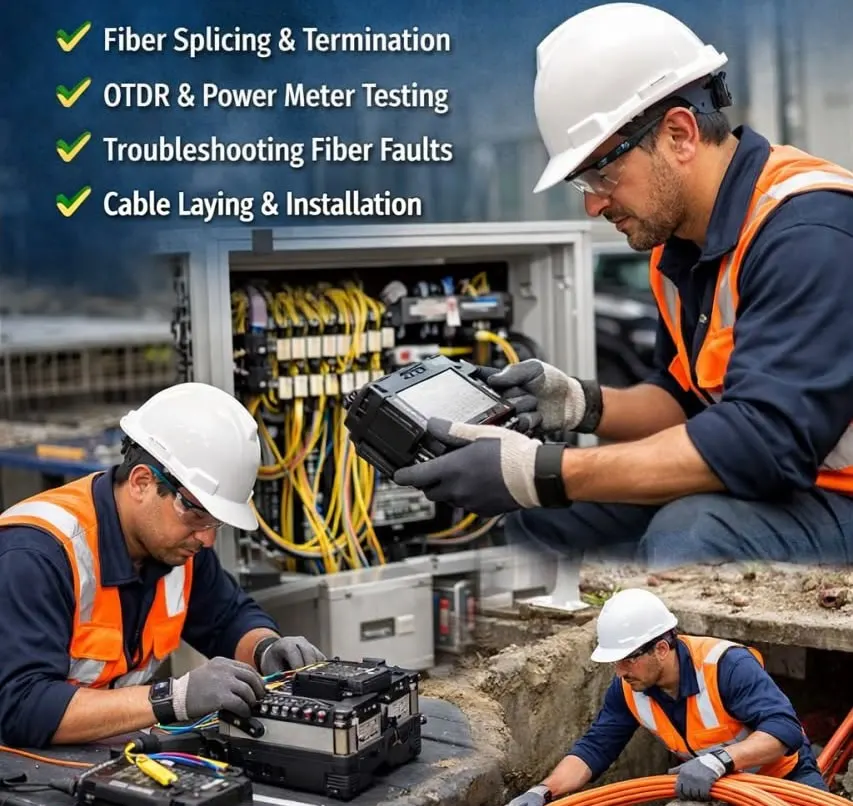
Zane Wave manages the full fiber network lifecycle for offices, data centers, hotels and smart buildings. Survey, structured cabling, FTTH/GPON design, splicing and OTDR-certified testing — all under one team.
Fiber network solutions use fiber optic cable to carry data as light signals. This gives higher bandwidth, longer reach and lower signal loss than copper cabling. A fiber network solutions Dubai project typically covers a site survey, structured cabling design, and FTTH/GPON deployment where relevant. It also includes fusion splicing and OTDR-certified testing before handover. Zane Wave Security Systems, operating in Dubai since 1988, delivers fiber network projects end to end for offices, data centers, hotels and smart buildings.
Site Survey & Design
A proper network design, not a generic cabling package.
OTDR-Certified Testing
Every link is tested and certified before handover.
Backbone for Every System
The same network that powers your CCTV, access control and comms.
What Is a Fiber Network Solution?
Fiber uses light, not electricity, to move data — here's what that means for your project.

Light-Based Transmission
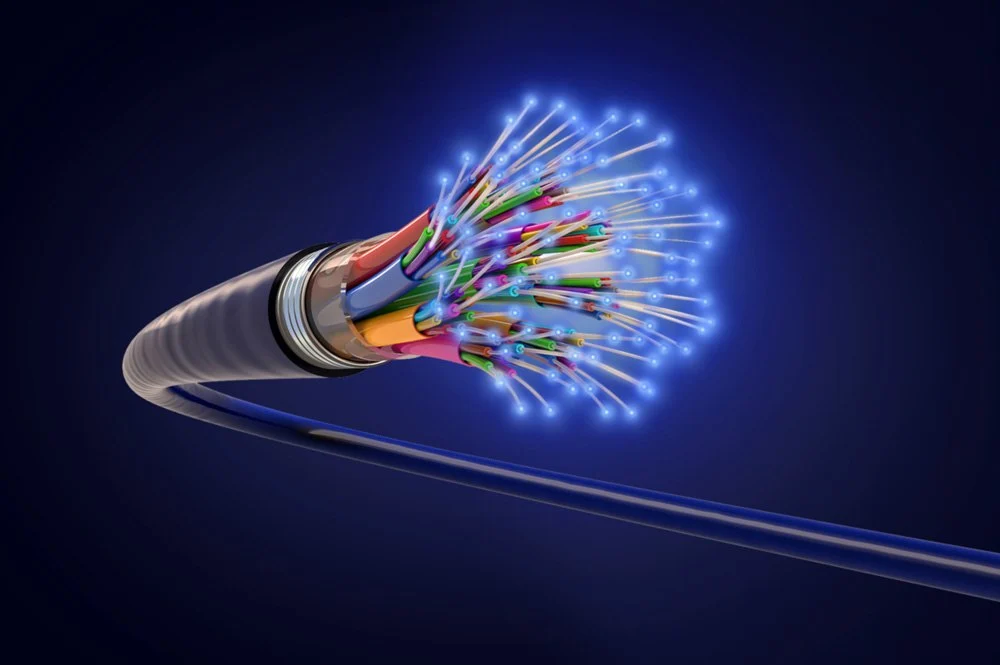
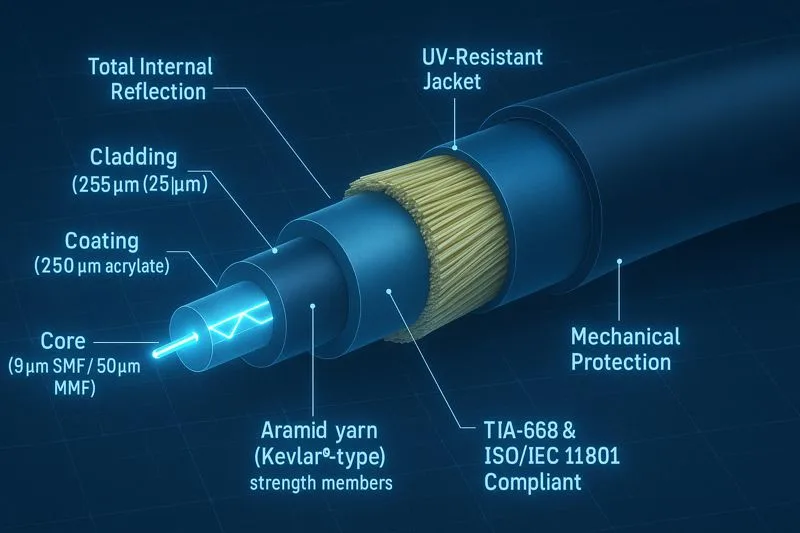
Data travels as light pulses through glass strands, enabling higher bandwidth over longer distances
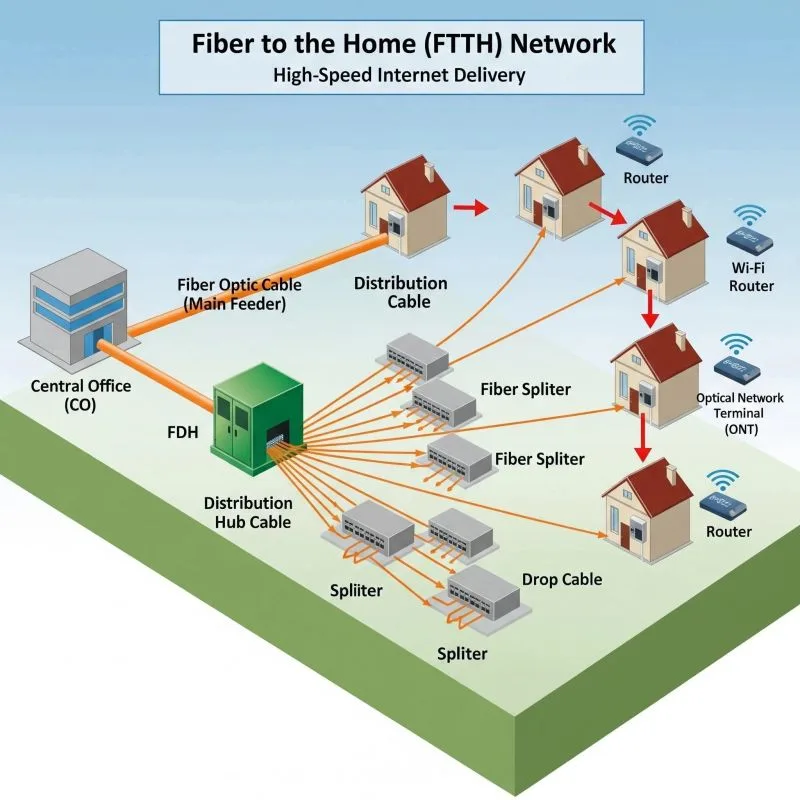
FTTH & GPON
Fiber to the Home and Gigabit-capable Passive Optical Network designs bring fiber directly to the end user
Structured Cabling
Organized cable pathways, patch panels and racks that keep a network manageable and scalable
Low Latency, High Bandwidth
Fiber supports real-time communication and large data transfer with minimal signal loss
Unlike copper cabling, fiber is not affected by electromagnetic interference. It can also carry signals much further before needing amplification — one reason businesses upgrade as data demands grow.
Single-Mode vs Multi-Mode Fiber
Two fiber types, two different use cases — here's how they compare.
Single-Mode Fiber
- Carries light along a single, narrow path
- Supports much longer distances with minimal signal loss
- Typically used for backbone links and long-haul connections
- Higher equipment cost than multi-mode
Multi-Mode Fiber
- Carries multiple light paths through a wider core
- Lower cost, well suited to shorter runs
- Common for in-building and campus connections
- Limited by modal dispersion over long distances
Most projects use a mix of both. Single-mode covers the backbone between buildings or floors, while multi-mode handles shorter in-building runs where cost matters more than maximum distance.

Our Fiber Network Installation Process
Every fiber network project is handled end to end by one team, from first site visit to certified handover.
Site Survey & Network Design
Understanding the site before choosing cable and equipment
Infrastructure Assessment
Existing cabling, pathways and equipment rooms reviewed on-site
Bandwidth Planning
Current and future data needs scoped before the network is designed
Cable Route Planning
Pathways mapped between racks, floors and buildings
Fiber Type Selection
Single-mode, multi-mode, or a mix, chosen to match the design
Installation & Fusion Splicing
Getting the physical network in place
Structured Cabling
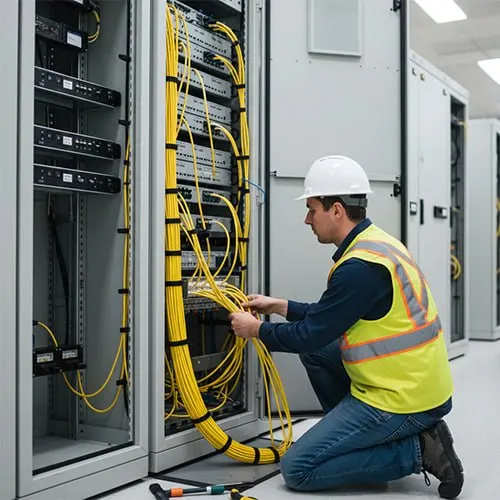
Cable installed and organized through patch panels and racks
Fiber Optic Cable Splicing
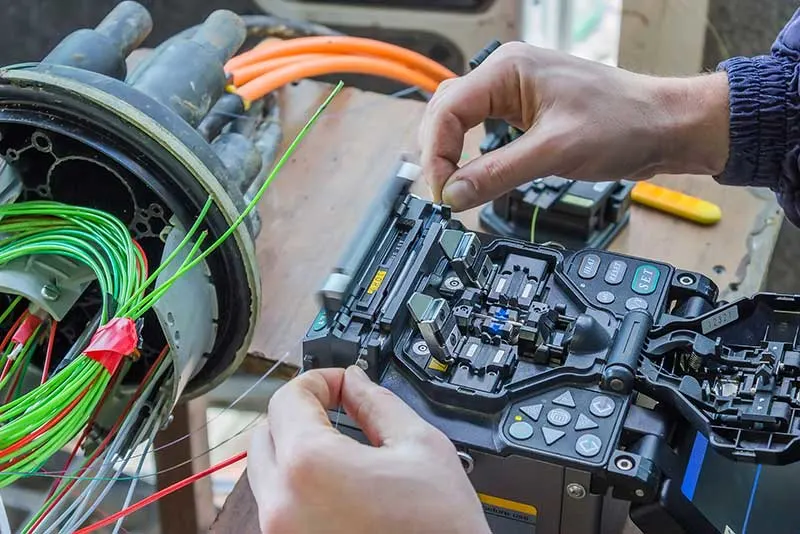
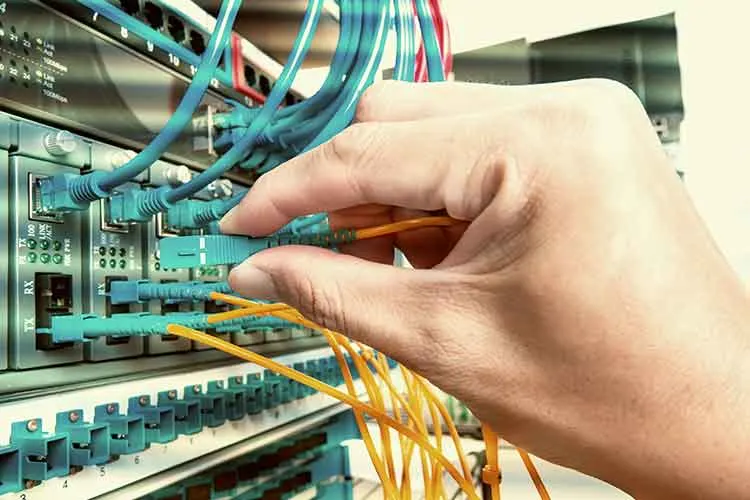
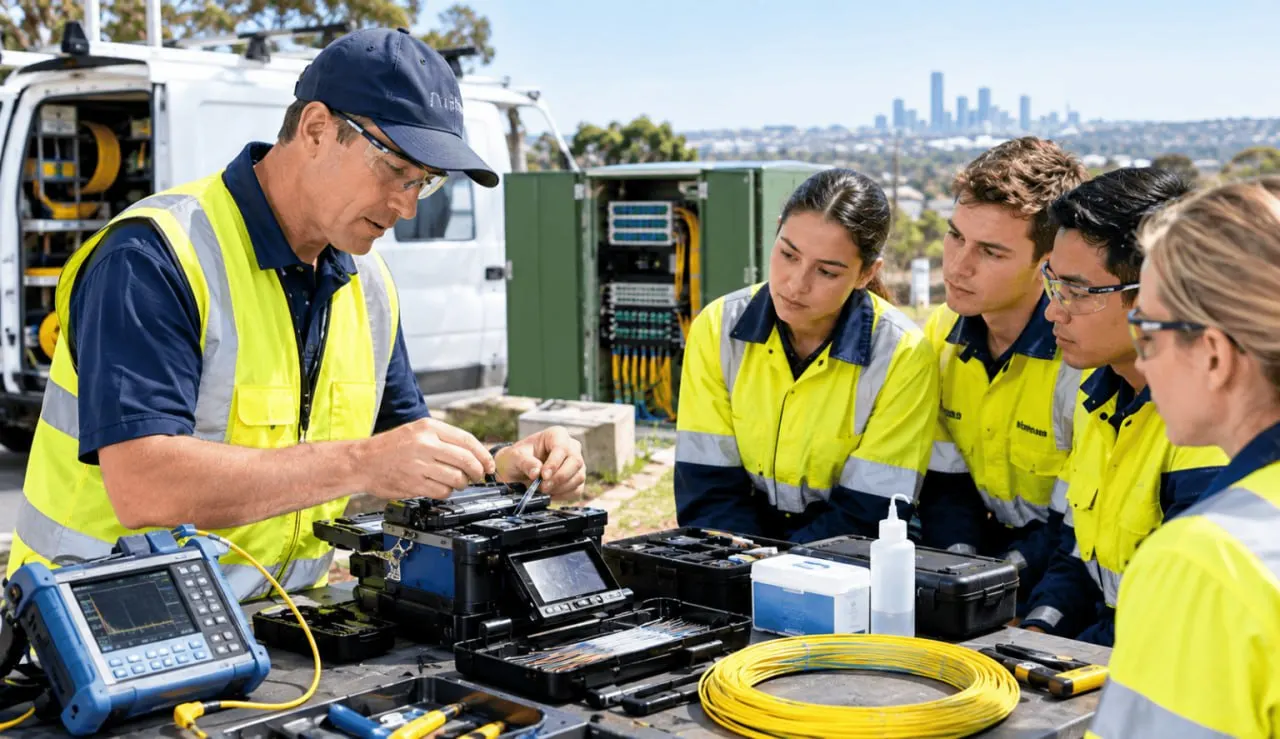
Fiber optic cable splicing joins strands with minimal signal loss at each connection point
Termination
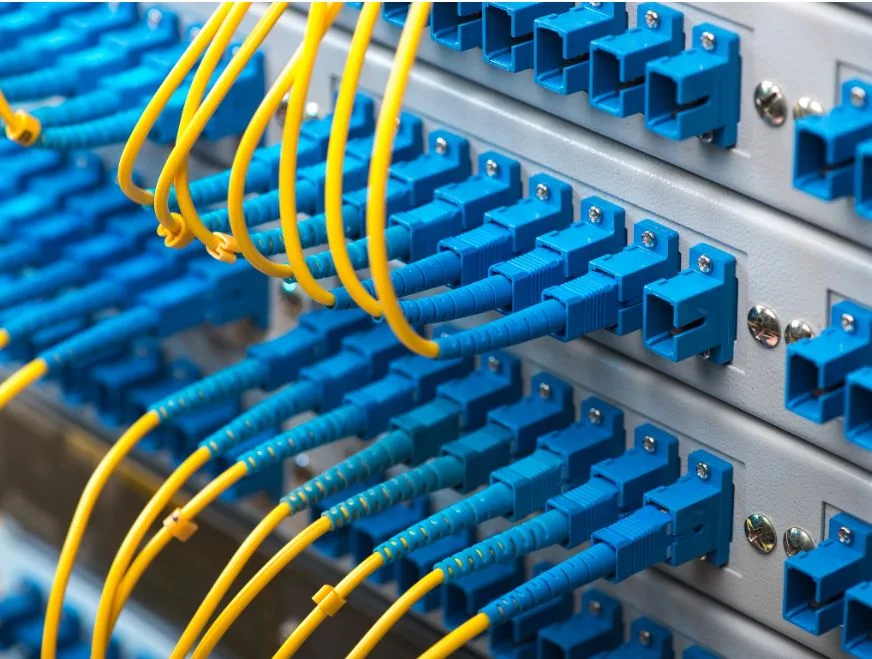
Connectors fitted at patch panels, outlets and equipment ports
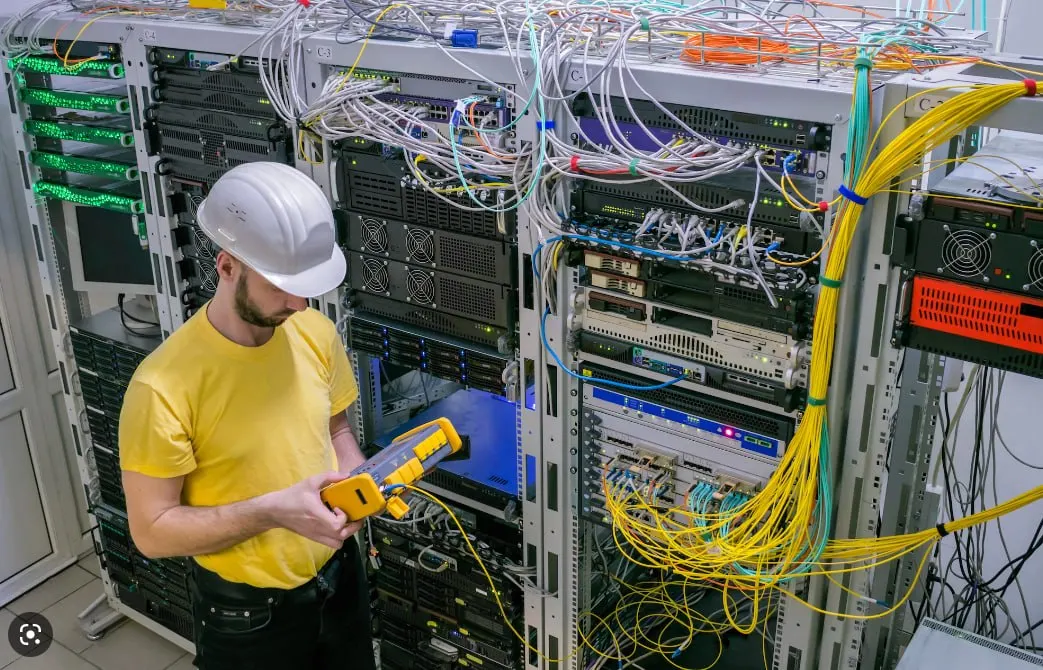
Rack & Equipment Setup
Switches, splitters and distribution frames installed and labeled
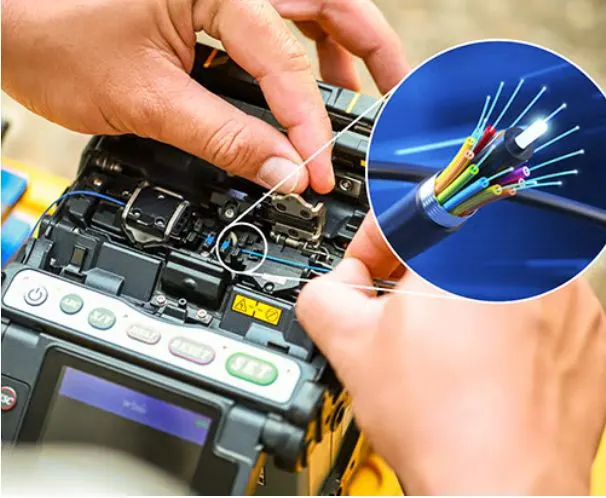
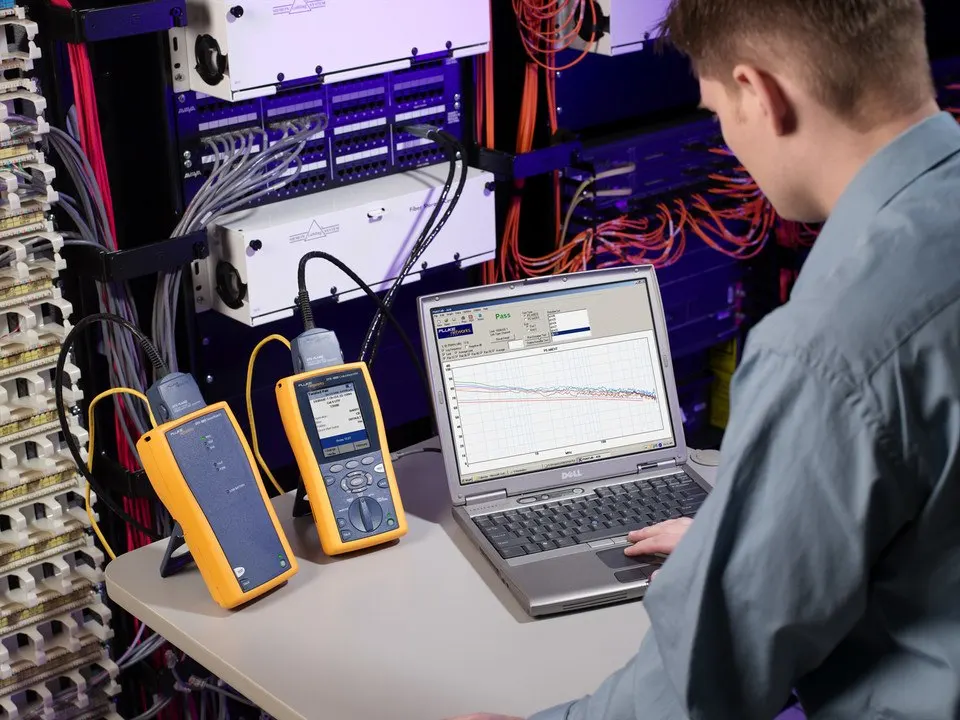
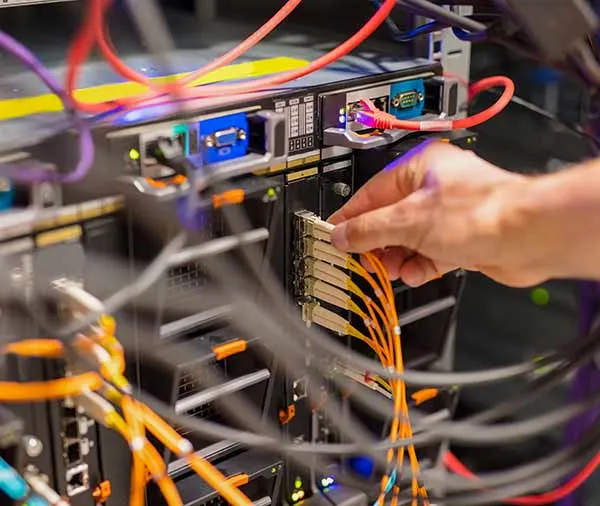
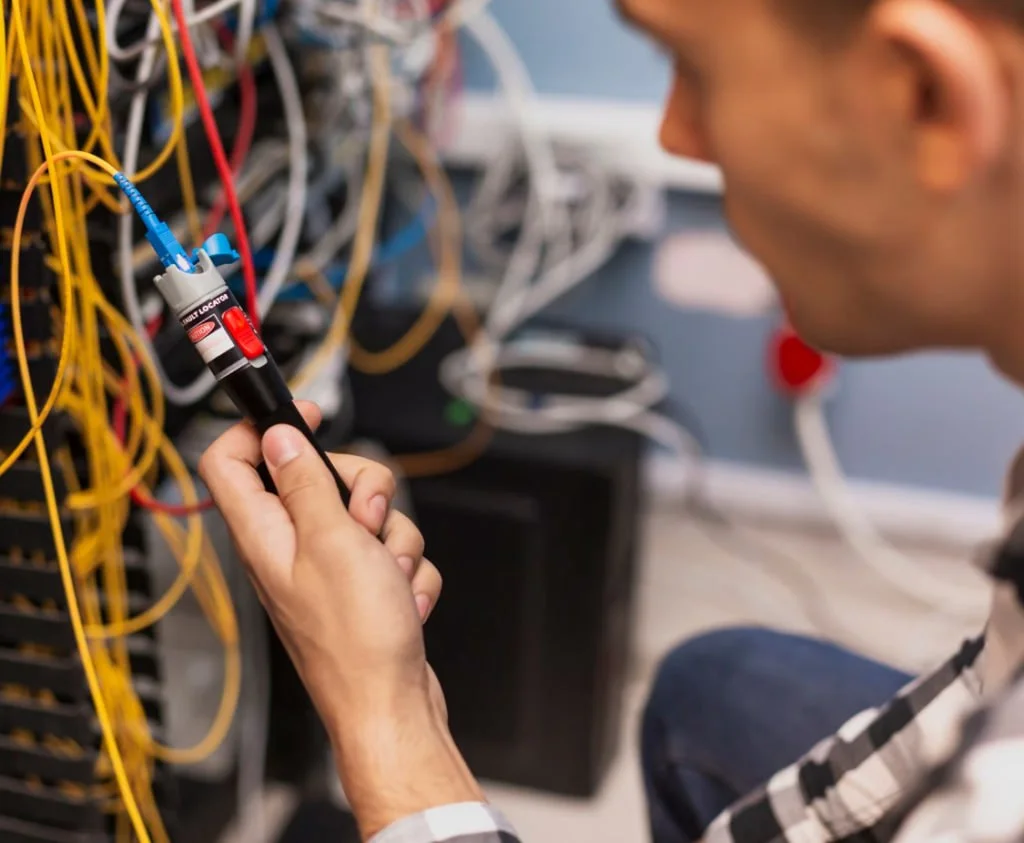
An OTDR (Optical Time-Domain Reflectometer) is the tool used to test a fiber link after installation. It measures signal loss and pinpoints faults along the cable before a network is certified for use.
OTDR Testing & Certification
Verifying performance before handover
OTDR Testing
Every link tested for signal loss, continuity and fault location
Test Documentation
Results recorded and handed over as part of project documentation
Network Commissioning
Active equipment configured and the network brought online
Ongoing Support
Monitoring, maintenance and repair available after handover
Dark Fiber & Network Types Explained
A short, plain-language look at the network options available for your project.
Fiber & Cabling Brands We Install
We supply and install fiber optic and structured cabling components from trusted industry brands.
Who Needs Fiber Network Solutions
Fiber network solutions Dubai wide, for the properties that depend on fast, reliable connectivity.
A reliable fiber backbone also supports the systems it carries. See how it connects with our SIRA CCTV Project Design & Installation and DMR Radio Projects services for a fully connected security and communication setup.
Fiber Network Solutions Dubai Businesses Trust
Decades of network infrastructure experience, handled end to end by one team.
Established Since 1988
Decades of experience with network and communications infrastructure in Dubai
OTDR-Certified Testing
Every link tested and documented before handover, not just installed
End-to-End Service
Survey, design, installation and testing handled by one accountable team
Multi-Brand Expertise
Corning, CommScope, Siemon and other leading brands, matched to your budget
One Backbone, Every System
The same fiber network can support CCTV, access control and radio systems
Ongoing Technical Support
Support available across Dubai, Sharjah and Abu Dhabi after installation
Frequently Asked Questions
Planning a Fiber Network Project in Dubai?
Tell us about your site and bandwidth needs, and we'll arrange a survey to scope the design and installation.