


Signs business needs access control system Dubai
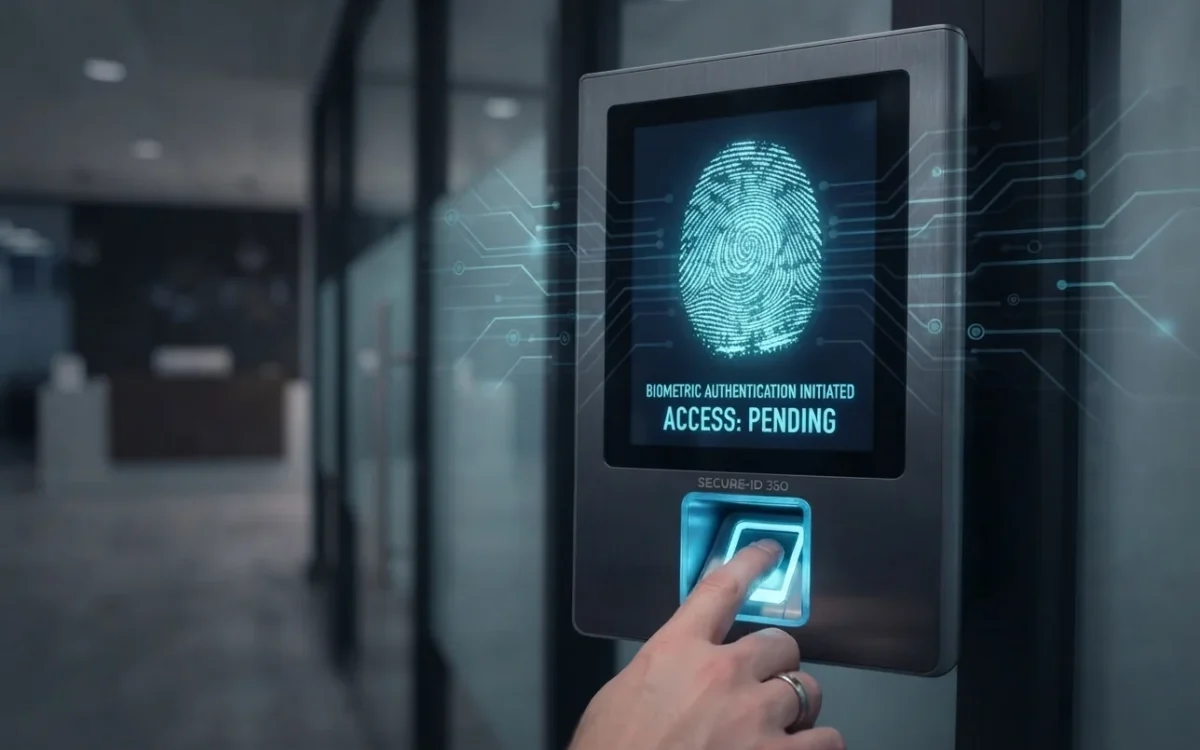
5 Powerful Signs Business Needs Access Control System Dubai
Signs business needs access control system Dubai usually show up gradually, not all at once — a spare key that's gone missing, a door nobody remembers unlocking, a new hire who still has last year's access. On their own, each one looks minor. Together, they point to the same conclusion: your current way of controlling entry has stopped working.
Signs business needs access control system Dubai include: keys being lost, shared or copied; no record of who entered after hours; repeated re-keying costs after staff turnover; sensitive areas that anyone can walk into; and plans to add more doors or locations that a single shared key can't scale to.
1Lost or Shared Keys Are a Recurring Problem
A physical key can't be deactivated. If it's lost, copied without your knowledge, or handed to a contractor who never returns it, your only real fix is re-keying or replacing the lock — and hoping you've accounted for every copy in circulation. This is usually the first of the signs business needs access control system Dubai owners actually notice, because it's the one that costs money every time it happens.
With card, fob, keypad or mobile credential access, a lost card is deactivated in the management software in seconds. No locksmith visit, no re-keying every door, and no uncertainty about who still has a working copy.
2You Can't Say Who Entered After Hours
If a door was unlocked overnight, something went missing from a storeroom, or you simply need to confirm who was on-site at a given time, a shared key gives you nothing to check. There's no record, no timestamp, and no way to narrow it down beyond asking everyone who had a copy.
An access control system logs every entry, every denied attempt and every forced-door alert with a timestamp. When something needs reviewing, you're looking at a report instead of guessing.
3Staff Turnover Keeps Forcing Re-Keying
Every business has staff who leave, and every departure with a physical key raises the same question: do we trust they'll return it, or do we re-key the lock to be safe? For businesses with regular turnover, this becomes a recurring cost and a recurring gap in security between the day someone leaves and the day the lock is actually changed.
With access control, removing a former employee's access is immediate — their credential is deactivated the moment HR confirms their last day, with nothing physical to collect and no lock hardware to replace.
4Sensitive Areas Aren't Properly Restricted
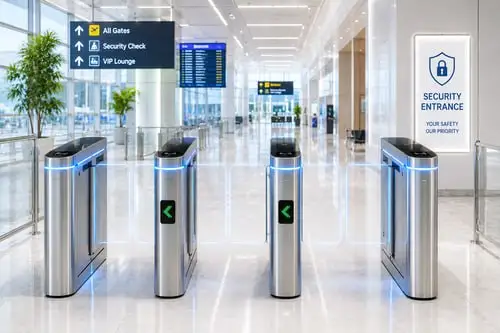
Server rooms, cash offices, pharmacy stores, and HR filing areas are meant to be restricted — but if the only thing protecting them is a shared key or an unlocked door during business hours, that restriction exists on paper only. This is one of the clearer signs business needs access control system Dubai security teams flag during an audit, because it's an easy gap to overlook until it's tested.
Role-based access lets you decide exactly who can open which door and during which hours — so a cleaning contractor can access common areas on a schedule, while the server room stays restricted to IT staff only.
5You're Scaling to More Doors or Locations
A single shared key works, at least on paper, for a one-door office. It stops working the moment you add a second building, a warehouse annex, or a branch office — because now you're managing multiple sets of keys, multiple risks of loss, and no central way to see who has access to what.
A networked access control system manages every door, across every location, from one dashboard — so adding a new branch means adding it to the system, not cutting and distributing a new set of keys.
Why Waiting Costs More Than Acting Early
It's easy to treat each of these signs as a one-off inconvenience rather than a pattern — a lost key gets replaced, a storeroom gap gets explained away, a departing employee is "probably" trustworthy. The problem is that the cost of each individual workaround is small, while the cumulative cost of ignoring all of them keeps compounding. Re-keying a single door after a lost key is a minor expense; re-keying an entire building after a break-in, a theft, or a dispute with a former employee is not.
There's also a harder cost to quantify: the time spent managing physical keys, chasing down who has which copy, and manually tracking who's allowed where. Once a business reaches a certain size — typically more than a handful of staff, or more than one door that matters — that overhead alone often justifies the switch, independent of any single incident.
If You Can Only Fix One Door First, Start Here
Not every business can upgrade every door at once, and that's fine — a phased rollout is normal. If budget or timing means prioritizing, the general order that makes sense is:
- The main entrance — it sees the most traffic and the most unmanaged access, so it carries the most risk.
- Any room holding cash, stock, or sensitive records — the areas where unrestricted access has the clearest financial consequence.
- Server or IT rooms — often overlooked, but a single unmanaged entry point into core infrastructure is a disproportionate risk relative to its size.
- Secondary and staff-only doors — lower-traffic doors that can usually wait until budget allows a fuller rollout.
Starting with the highest-risk door and expanding from there lets a business address the clearest signs business needs access control system Dubai immediately, without waiting for a full-building budget to be approved.
What a Typical Access Control Installation Involves
Once the signs business needs access control system Dubai are clear, the installation itself is more straightforward than most business owners expect:
- Site survey: An engineer reviews your doors, door types and existing cabling to plan the installation.
- Credential selection: You choose the access method — RFID card, biometric fingerprint or facial recognition, keypad PIN, or mobile credential — based on the security level each door needs.
- Hardware installation: Readers, controllers and electric locks are fitted to each door, with cabling run to the control panel.
- Software setup: Users, schedules and access levels are configured, so each person only has access to the doors and hours relevant to their role.
- Integration (optional): Many businesses link access control with CCTV or a time attendance system during the same installation.
- Handover and training: Your team is shown how to add or remove users and review access logs going forward.
For most single-door or small multi-door offices, this process is completed within a day, with minimal disruption to daily operations.
Frequently Asked Questions
How do I know if my business is ready for access control?
If you're regularly dealing with lost keys, can't confirm who entered a building after hours, or are re-keying locks every time staff leave, those are strong indicators your business is ready for an access control system.
Is access control worth it for a small office?
Yes. Even a single-door office benefits from removing the risk of lost or copied keys and gaining a basic log of who entered and when, often at a lower cost than people expect.
Can access control be added to an existing door without major construction?
In most cases, yes. A reader, controller and electric lock can usually be fitted to an existing door frame during a site visit, without structural work, as long as power and cabling can be routed to the door.
What's the difference between access control and a simple keypad lock?
A standalone keypad lock uses one shared code with no record of who entered. A full access control system issues each person their own credential and keeps a timestamped log of every entry, denial and forced-door attempt.
How long does it take to install an access control system?
A single-door installation is often completed within a day. Multi-door or multi-building rollouts take longer, depending on cabling, the number of doors and whether integration with CCTV or time attendance is required.
Does access control replace the need for CCTV?
No. Access control and CCTV solve different problems — access control decides who can open a door, while CCTV provides visual verification. Most businesses run both together, often with role-based permissions integrated on the same system.
Recognize These Signs in Your Business?
Get a free site survey and find out exactly what an access control upgrade would involve for your doors.
Explore Access Control Systems