


DMR Radio Projects in Dubai.
Zane Wave designs and installs complete DMR radio projects Dubai wide. We handle site survey, TDRA licensing, and repeater and base station installation for construction, security, hospitality and commercial teams.
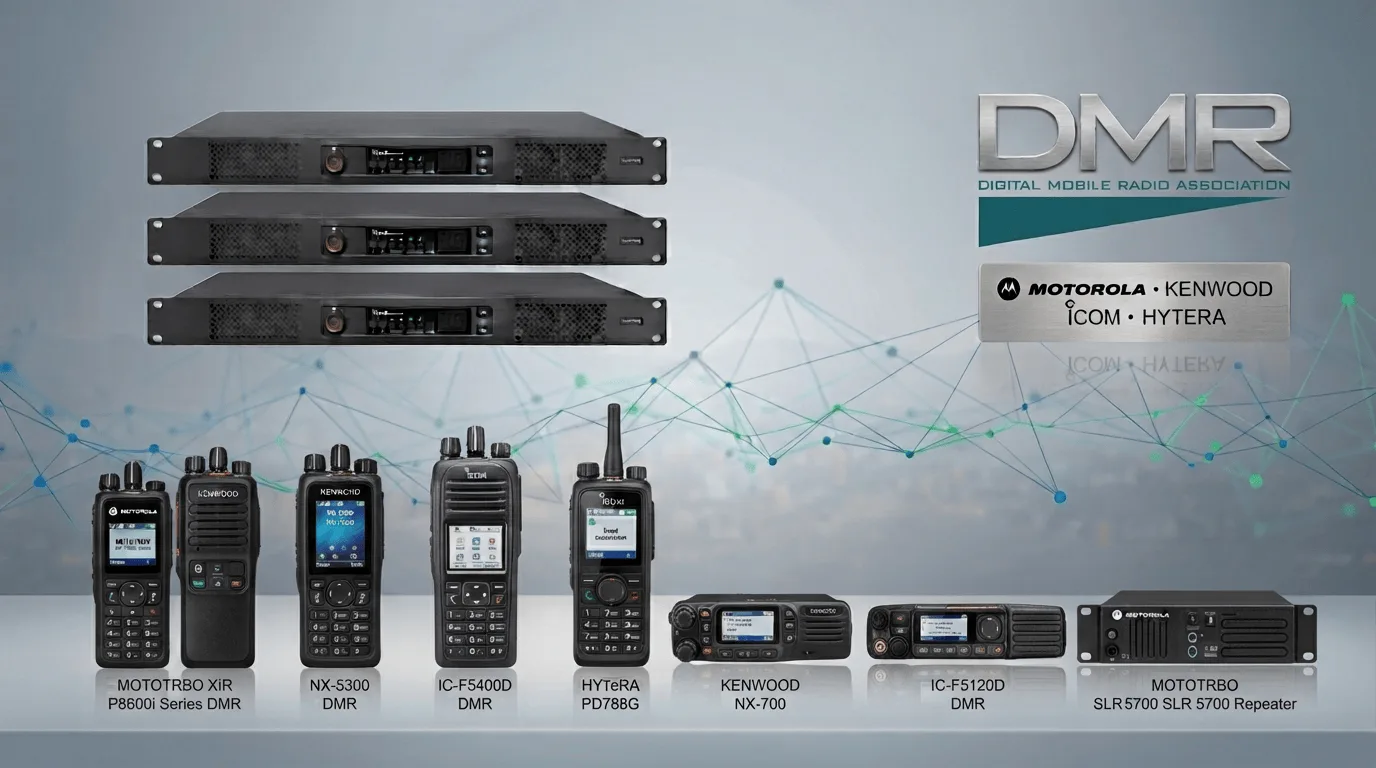
DMR radio projects Dubai businesses and teams rely on
From single-repeater setups to multi-site trunked networks, we manage the full project. Survey, design, TDRA licensing, installation and training — all under one team.
DMR (Digital Mobile Radio) is an international two-way radio standard maintained by ETSI. It lets equipment from different manufacturers work together on one network. A DMR radio project in Dubai typically covers a site survey and system design — simplex, repeater-based, or trunked. It also includes a TDRA frequency licence where required, equipment installation, and staff training. Zane Wave Security Systems, operating in Dubai since 1988, delivers DMR radio projects end to end, from initial survey through to commissioning.
Site Survey & Design
A proper coverage survey, not a generic radio package.
TDRA Licensing Support
We handle the frequency licence for you.
Multi-Brand Equipment
Motorola, Hytera, Kenwood and ICOM, sized to your fleet.
What Is DMR (Digital Mobile Radio)?
DMR is a digital two-way radio standard — here's what that actually means for your project.
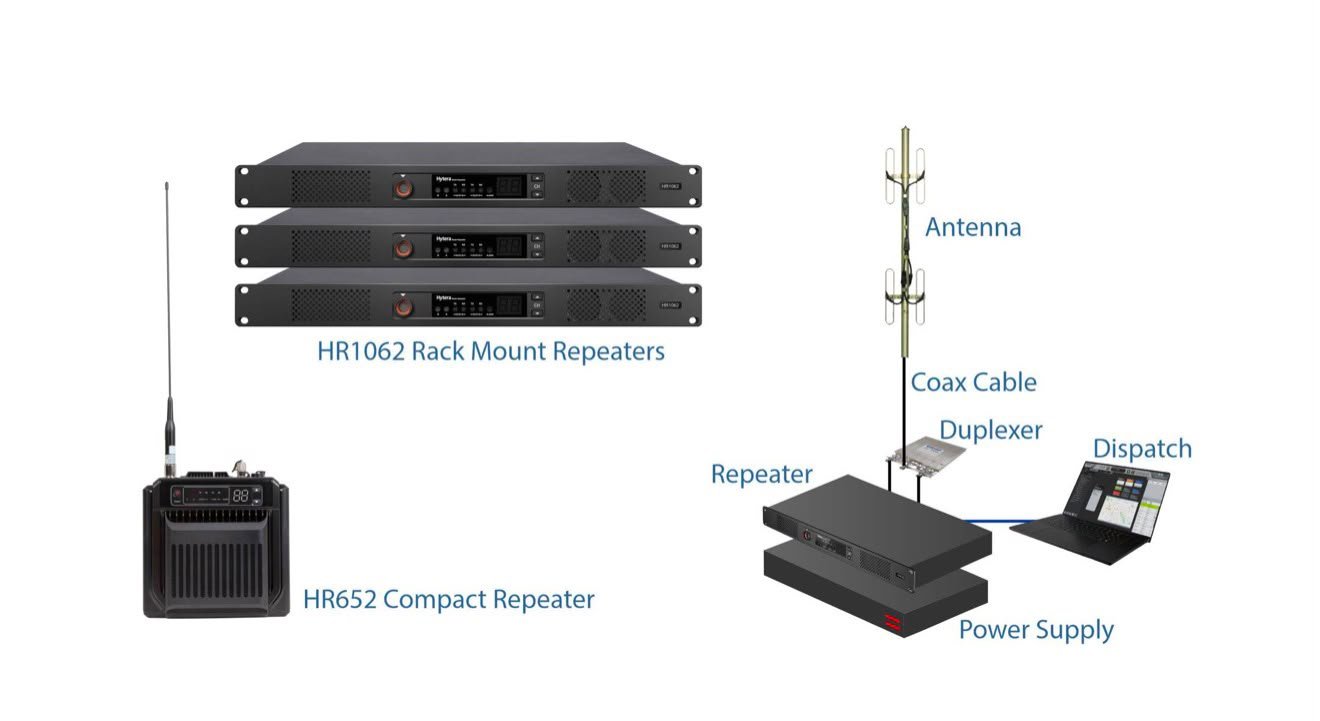
ETSI Standard
Maintained by the European Telecommunications Standards Institute, first ratified in 2005 and updated since
Three Tiers
Tier I (licence-free), Tier II (repeater-based), and Tier III (trunked) cover different scales of use
VHF & UHF Bands
DMR typically operates between 30 MHz and 1 GHz, split into VHF and UHF ranges
Repeater-Extended
A repeater on a high point relays signals to extend coverage and link radios around obstructions
DMR is an open standard, not one manufacturer's proprietary system. Equipment from different brands can generally interoperate on the same network. This is a main reason businesses migrate from analog radios to DMR as their teams grow.
DMR vs Analog and DMR vs TETRA
Three radio technologies, three different use cases — here's how they compare.
Analog Radio
- Lower upfront cost for small fleets
- Simple to operate, no digital features
- Best for basic, single-channel communication
- No encryption or GPS tracking by default
DMR (Digital Mobile Radio)
- Clearer audio in noisy environments
- Longer battery life than analog on the same charge
- Supports GPS tracking, encryption, and text messaging
- Multi-brand interoperability under the ETSI standard
TETRA is a separate ETSI standard, aimed mainly at public safety agencies like police and fire services. It requires more mandatory interoperability tests than DMR. For most commercial and construction projects in Dubai, DMR is the better fit — it's more flexible and lower cost.
Our DMR Radio Project Process
Every DMR radio project is handled end to end by one team, from first site visit to commissioning.
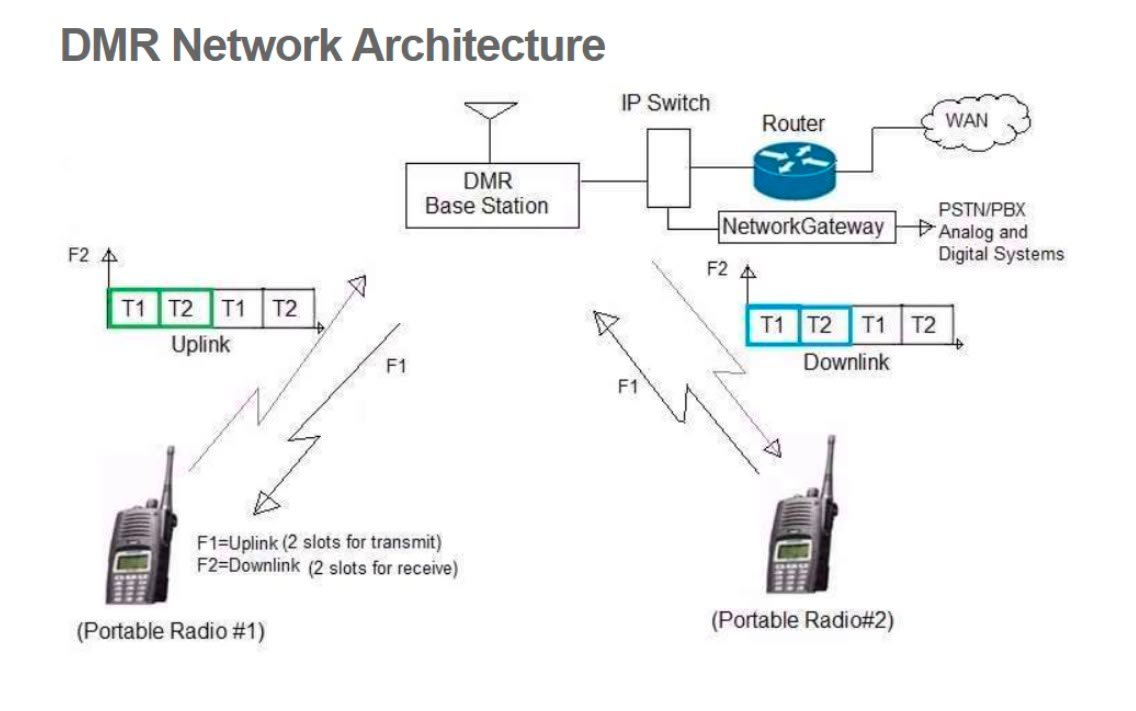
Site Survey & Needs Assessment
Understanding coverage needs before choosing equipment
Coverage Assessment
Site layout, building materials and obstructions reviewed to predict signal coverage
User Count & Groups
Number of users and talk-group structure confirmed with the client
Interference Check
Existing radio traffic in the area reviewed to avoid channel conflicts
System Tier Selection
Simplex, repeater-based, or trunked system recommended based on scale
System Design & TDRA Licensing
Getting the technical and regulatory groundwork right
Network Design
Repeater placement, antenna specification and channel plan finalized
TDRA Application
Frequency licence application prepared and submitted for Tier II/III systems
Talk-Group Programming Plan
Channels and groups mapped to departments, sites or shifts
Project Timeline
Installation and licensing timeline confirmed before work begins
A DMR repeater is usually installed on a rooftop or other high point. It receives a signal and retransmits it, extending coverage. This lets radios on opposite sides of an obstruction talk to each other.
Equipment Installation & Commissioning
From rooftop to handset
Repeater & Base Station
Installed at the optimal high point for maximum coverage
Antenna Installation
Positioned and tuned for the site's specific coverage requirements
Handset Programming
Channels, talk-groups and features configured on every radio
Coverage Testing
System tested across the full site before handover
Training & Ongoing Support
Making sure your team actually uses the system correctly
Staff Training
Teams trained on channel use, emergency alerts and device care
After-Sales Support
Ongoing technical support across Dubai, Sharjah and Abu Dhabi
Licence Renewal
Assistance with TDRA licence renewals when they fall due
System Expansion
Networks can be scaled up with additional repeaters or sites as you grow
TDRA Licensing Explained
A short, plain-language look at what TDRA is and when a licence is required.
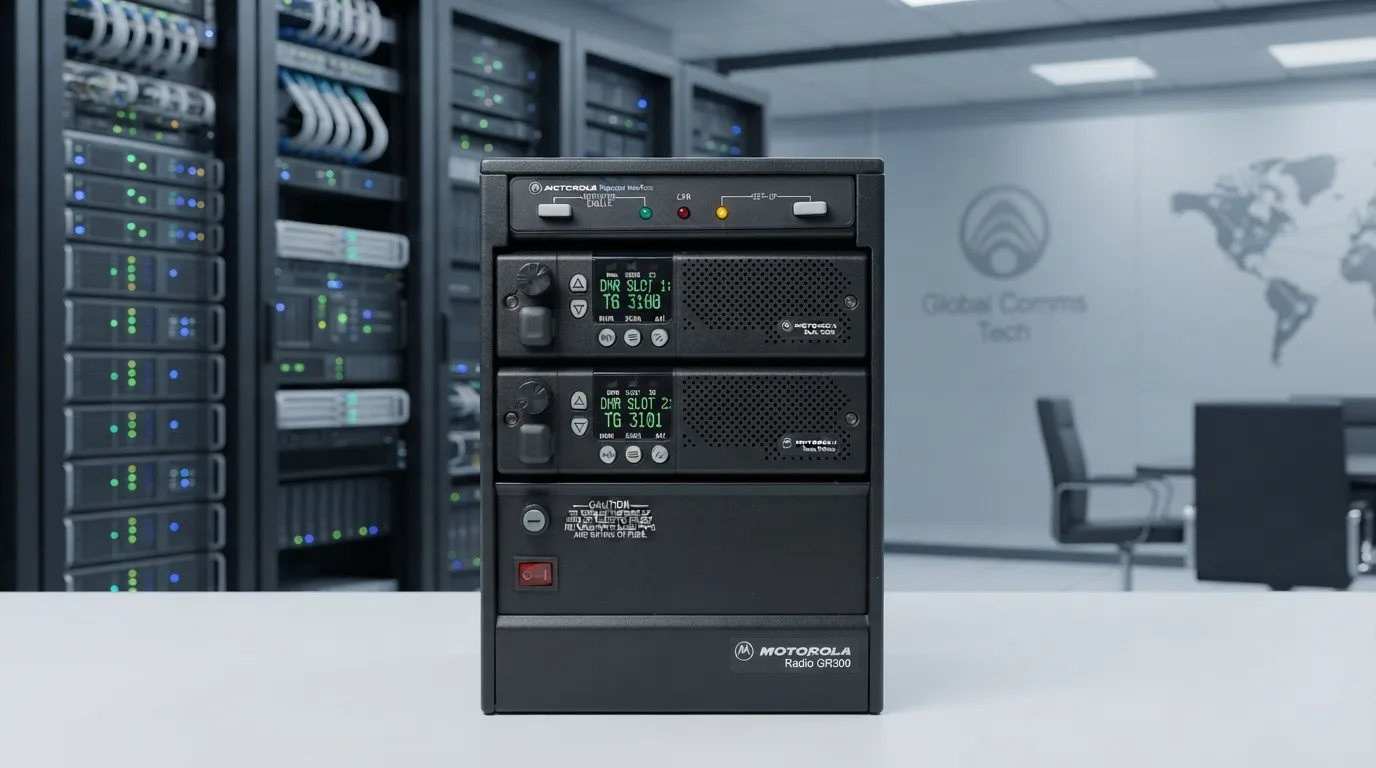
DMR Radio Brands We Work With
We supply, install and program radios from Motorola, Hytera, Kenwood and ICOM, plus other leading brands. You get the right equipment for your budget, not a one-size-fits-all package.
MOTOTRBO
Industries That Use DMR Radio Systems
DMR radio projects Dubai wide, for the sectors that rely on it most.
Already using analog handsets? A DMR project can often run alongside your existing fleet, or replace it in phases. See our Walkie Talkie Rental and Walkie Talkie Programming & Repair services for shorter-term needs.
DMR Radio Projects Dubai Businesses Trust
Decades of two-way radio experience, handled end to end by one team.
Established Since 1988
Decades of experience with radio communication systems across Dubai
TDRA Licensing Handled
We manage the frequency licence application, not just the installation
End-to-End Service
Survey, design, licensing, installation and training under one team
Multi-Brand Expertise
Motorola, Hytera, Kenwood and ICOM — matched to your budget and site requirements
Upgrade Path Available
Existing analog walkie-talkie fleets can be assessed and migrated to DMR
Ongoing Technical Support
Support available across Dubai, Sharjah and Abu Dhabi after installation
Frequently Asked Questions
Planning a DMR Radio Project in Dubai?
Tell us about your team size and site, and we'll arrange a survey to scope the design, licensing and equipment.